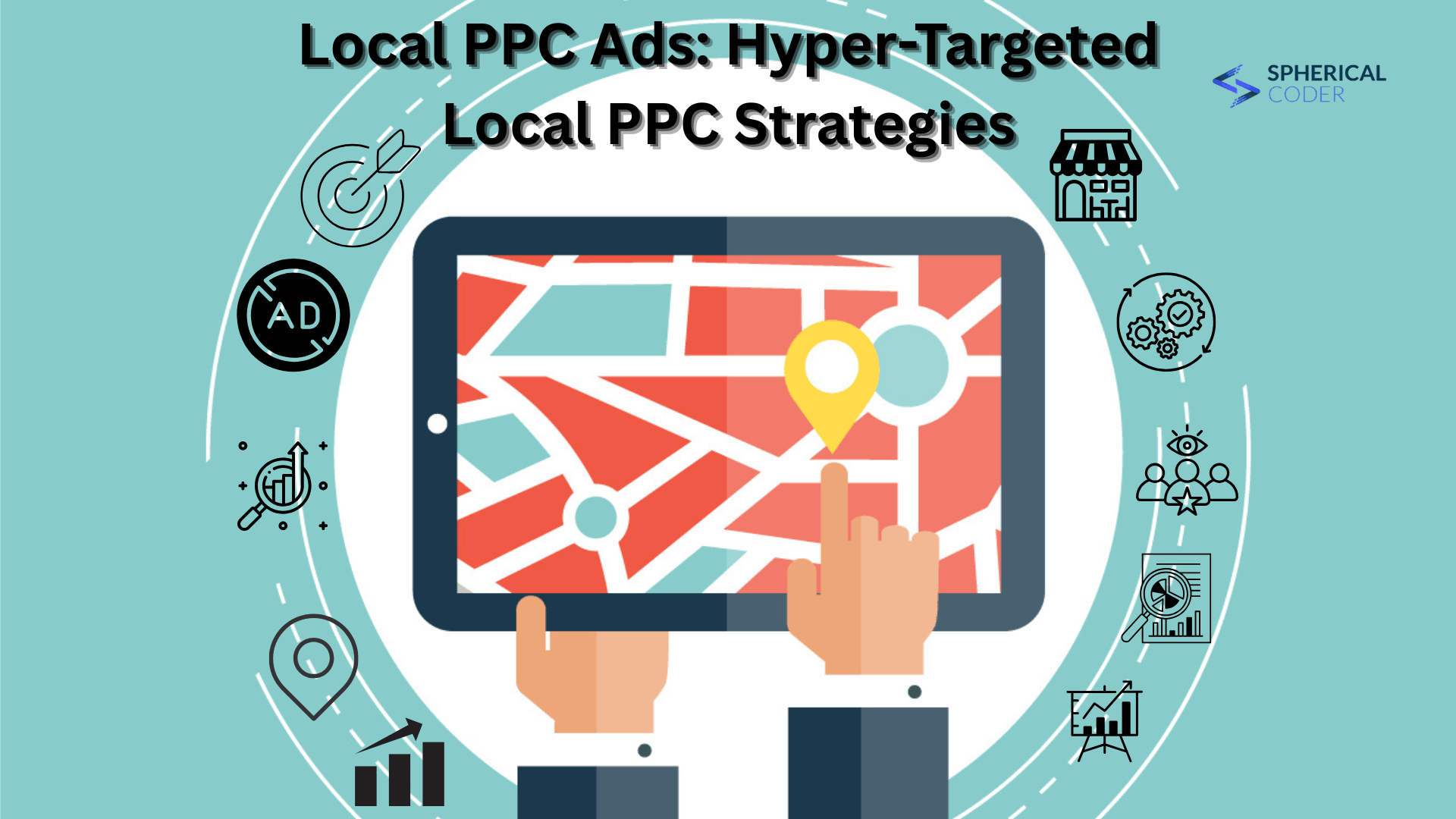
Local PPC Ads: Hyper-Targeted Local PPC Strategies
Local SEO competitor analysis helps businesses improve visibility in Google Maps and organic results by tracking rivals ranking for key local search terms.
Local PPC Ads: Hyper-Targeted Local PPC Strategies
Attracting local customers to a law firm needs more than just a well-designed website or word-of-mouth referrals. Pay-Per-Click (PPC) advertising provides an effective way to reach potential clients in your immediate area, driving more foot traffic and inquiries to your practice.
Implementing hyper-targeted PPC strategies allows law firms to attract more qualified leads and convert them into paying clients. By refining location targeting, using LSAs, using first-party data, and tracking offline conversions, you can create a winning local PPC strategy.
Get Granular With Location Targeting
Location targeting is a form of digital marketing that enables businesses to target ads to users based on their physical location, which can be done by using GPS coordinates or IP addresses to determine a user’s location. It is a useful tool for businesses that want to increase sales and ROI by targeting specific customers in specific areas.
Location targeting is a way for advertisers to clearly specify the location they want their ads to show, and is a crucial aspect for any ad campaign. Advertisers can choose different content for their ads based on geographic locations. Effective location targeting is an essential component of successful ad campaigns.
Hyperlocal Search Ads With Location Extensions
Google Ads location extensions provide several advantages, primarily to increase your business’s visibility on Google Search and Maps, promoting your business address to nearby searchers. This map-based marketing tactic helps in effectively cornering the local market by providing essential information at the potential customer’s fingertips.
Incorporating Google Ads location extensions into your advertising arsenal can propel your business to new heights by enhancing local visibility and customer engagement. Geo-targeting advertising and map-based marketing strategies, location extensions enable your business to stand out in a crowded digital landscape.
Google Local Service Ads
Local service ads are a game-changer for service businesses and are available for over 100 service-based businesses in selected countries globally, including Canada and all U.S. markets. LSAs have now become crucial for local marketing success. The ads appear at the very top of Google search results – a position that even regular PPC ads can’t guarantee anymore.
Types of LSA verification:
1. Google Guaranteed
2. Google Screened
Both types of verification include a thorough process that businesses must undergo to prove their credibility and establish a trustworthy service for customers. Beginning with background checks that look into the history of the business and its owners, businesses are also required to have at least $250,000 in general liability insurance for financial protection.
LSAs appear in top of search results, inside Google Maps, mobile search results, during peak conversion times, and within the local business finder map.
Key Performance Factors include smart bid & budget management, the 3Rs, quick adoption of new features, high-quality photo-uploads, and proper job booking management within the platform.
Direct Business Search
Direct business search aids you in reaching specific customers by showing your Local Services ad in search results for your brand or business. Using direct business search in conjunction with other Local Service Ads, featuring reaching the right customers and showcase what makes your business unique.
Incorporate First-Party Data
As more companies focus on customer experience, there is an increasing need for high-quality customer data, or “first-party data.” First-party data is data collected by a company about its customers through its own channels and interactions. This data is usually more accurate and trustworthy than third-party data, which is data that a company collects about its customers from sources outside of the company’s direct interactions with them. The data can be used to create a more personalized user experience.
Benefits of first-party data for marketing
First-party data is based on actual interactions your target audience has with your brand at different touchpoints, where you can learn more about the target audience behaviour, their presence in the buyer’s journey, channels they are utilizing, making sales decisions/what inspires them to act, and what their interests and needs are.
Other benefits of first-party data include increased accuracy, direct line of sight, greater control, customer consent, privacy, personalization, enhanced customer segmentation, and measurement.
Measuring Offline Conversions
Offline conversion tracking is the secret weapon for every digital marketer. Google provides pretty good offline conversion tracking. By identifying which online channels are driving the most offline conversions and the highest ROI, businesses can allocate their marketing budget more effectively.
Tracking offline conversions also enables businesses to push back critical touchpoints in the customer journey to their ad platforms. This is especially useful in service-based industries where there may be multiple touchpoints between contact, prospect, and sale.
Final Summary
Driving foot traffic with paid ads requires a multifaceted approach. Creating a local search presence gets more customers through the door by combining precise location targeting, Google Business Profile optimizations, Local Services Ads, first-party data, and offline conversion tracking